
Cattle were a major source of meat in post-medieval northwestern Europe and increasingly became part of expanding regional and long-distance trade networks. At the same time, 16th-century Antwerp was booming. As one of Europe’s major port cities, its growing population and economy created increasing demand for food and livestock. At Kipdorp, an archaeological site associated with Antwerp’s historic city defences, thousands of animal remains were recovered from the moat, with cattle by far the most common species.
So, where were all these cattle coming from?
To investigate this, we analysed sequentially and bulk sampled cattle teeth using a combination of carbon, oxygen and strontium isotopes (δ13C, δ18O, 87Sr/86Sr and δ88Sr), together with strontium concentrations, to explore cattle origins, movement and husbandry. Read more about this research in our recently published paper led by Dr Ben Gruwier here 👉 https://www.sciencedirect.com/science/article/pii/S0305440326002451?dgcid=coauthor
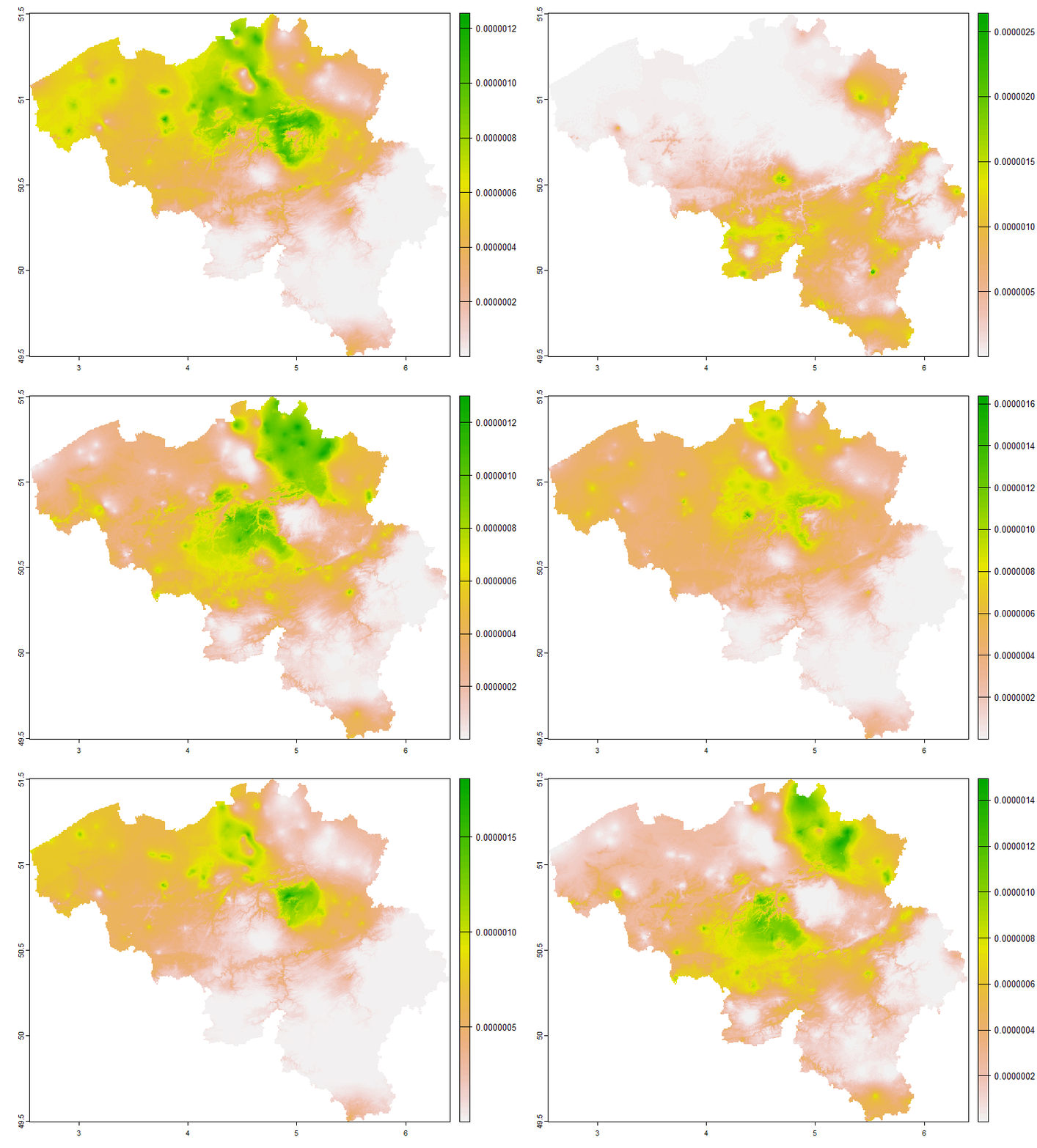
Spoilers, the cattle came from many different locations, but many were likely from modern-day Belgium and surrounding regions. This gif shows where the cattle likely came from, if they were from Belgium, based on their 87Sr/86Sr signatures